
Overview
When something fails, "we can't reconstruct what happened" is a regulatory finding, not an excuse. Flex Axion is not an infrastructure scheduler. Routing is a feature. Accountability is the product: deterministic execution, a context graph that keeps its history, and a trust model that assumes some machines are not yours.
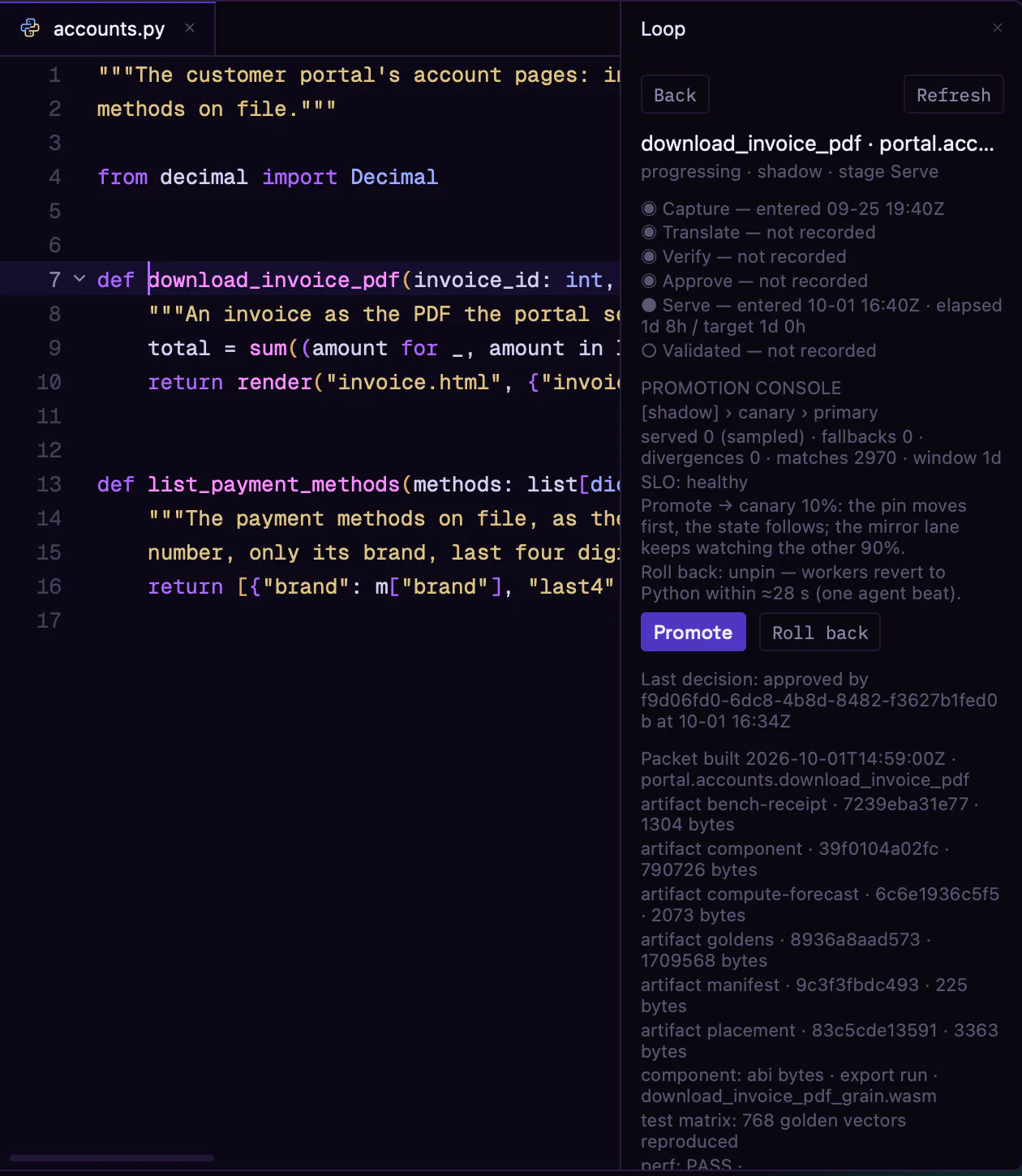
One export. Zero imports. Same result, every run.
- A kernel is a WASM component with one export and zero imports; the host declares every capability it gets
- Deterministic engine, metered execution, epoch limits: no stop-the-world pause at market open
- Same inputs, same outputs, same timing
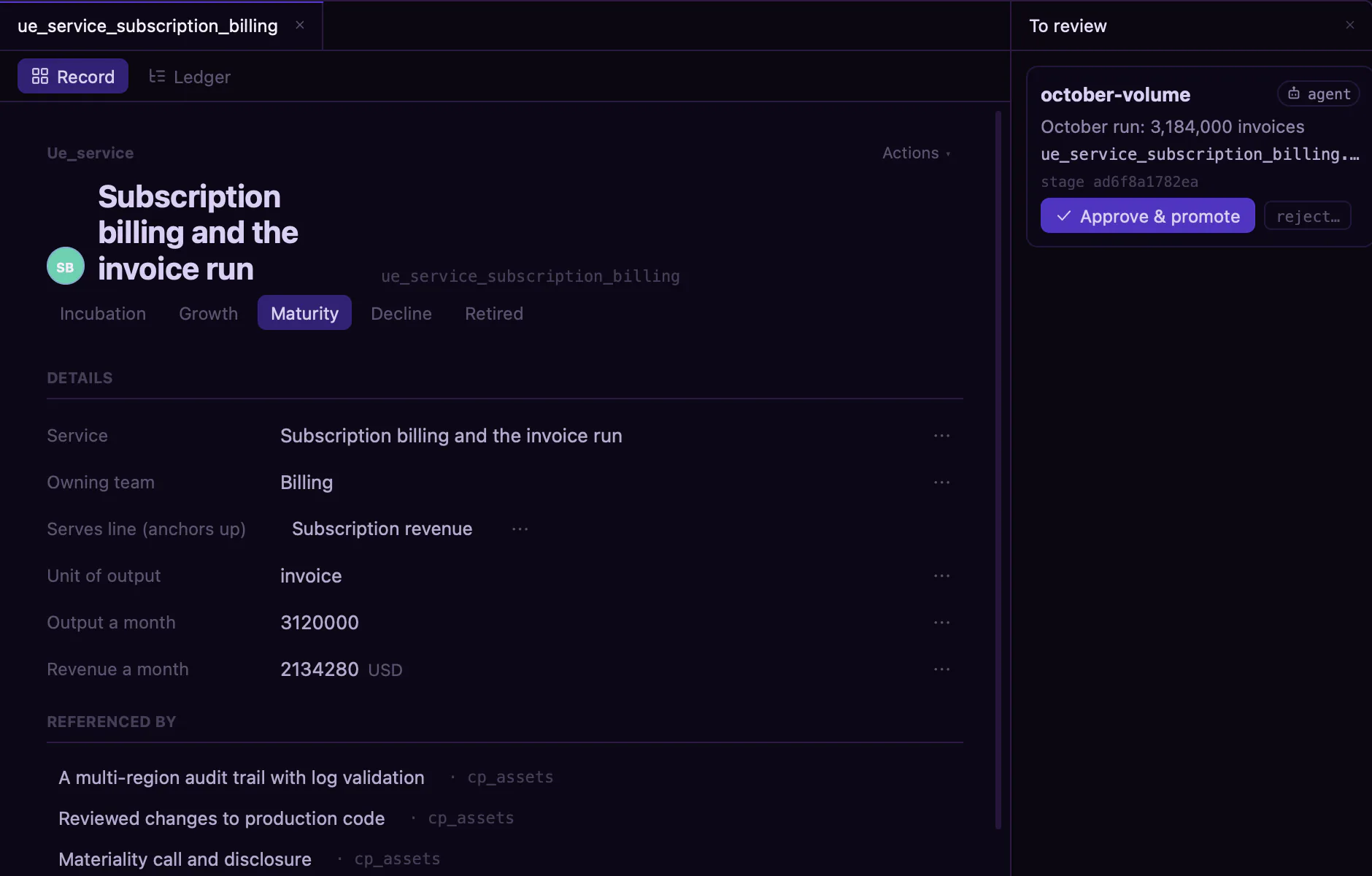
Facts with history, not a config file.
- A ledgered fact graph: every fact identified by its hash, appended, never overwritten
- Two-axis bitemporal queries: what was true, and what we believed at the time
- A genuine contradiction surfaces as inconsistent; it is never silently resolved. Agents stage, humans approve
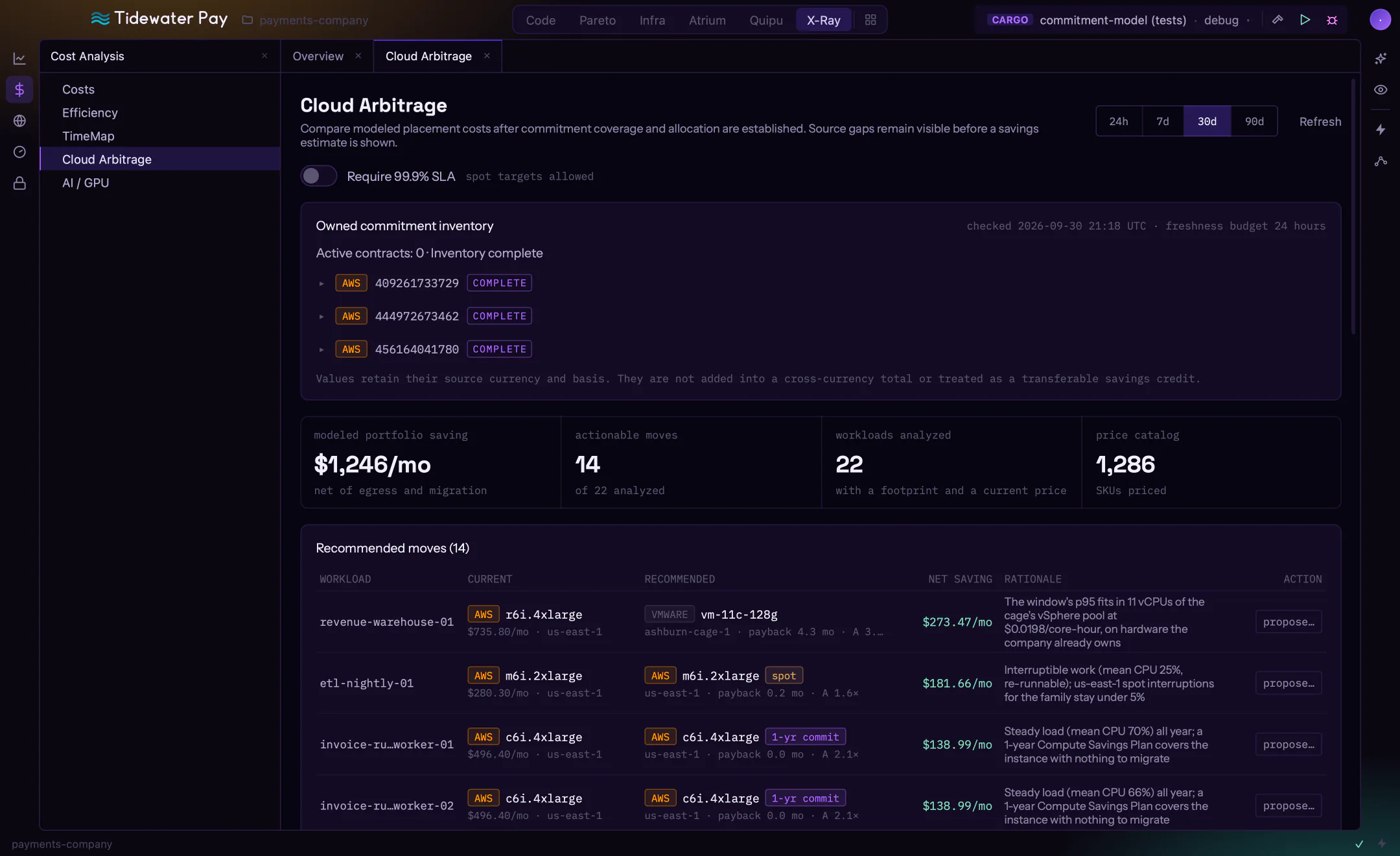
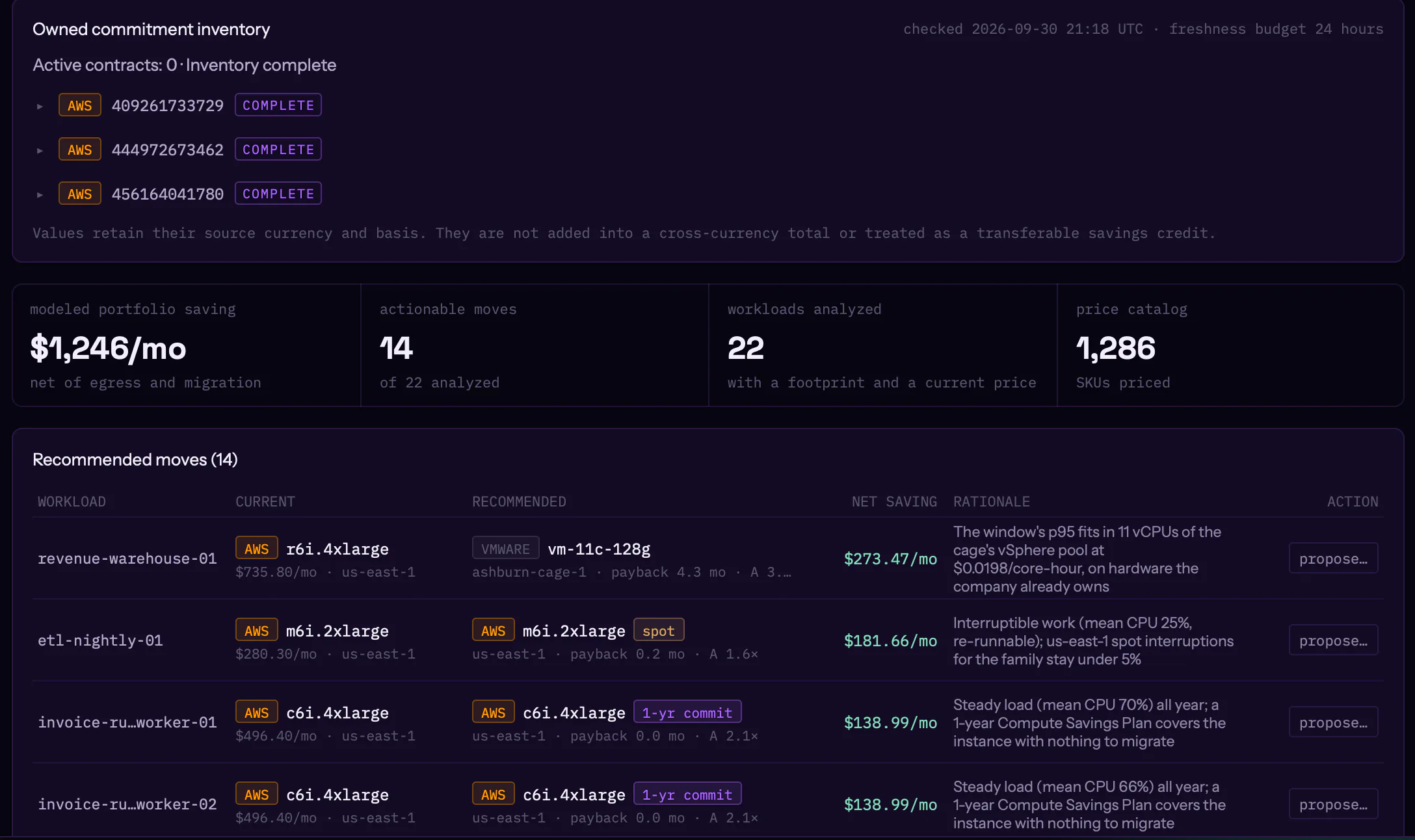
Evaluate where it fits.
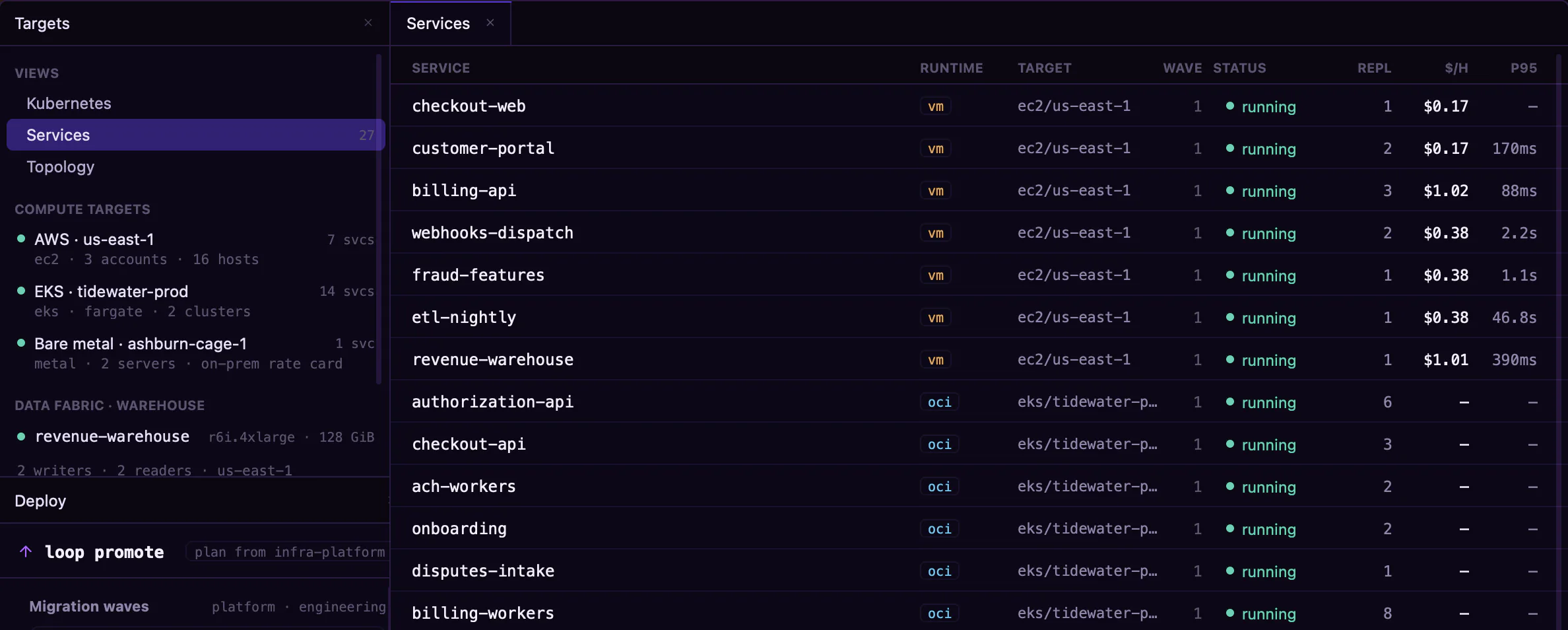
- Supported execution options compared on workload demand, hardware benchmarks, capacity, price and reliability
- Cost per run, not price per hour: an hourly rate never says how long the job takes
- Benchmarks carry their provenance, measured or estimated; unknown chips are excluded, not guessed
Mixed-trust fleets, verified by replication.
- Every node is enrolled with its own service account and lives in a pool with a trust class
- Untrusted executors are verified by replication; the verification plan is part of the job
- Restricted data classes only place where policy allows
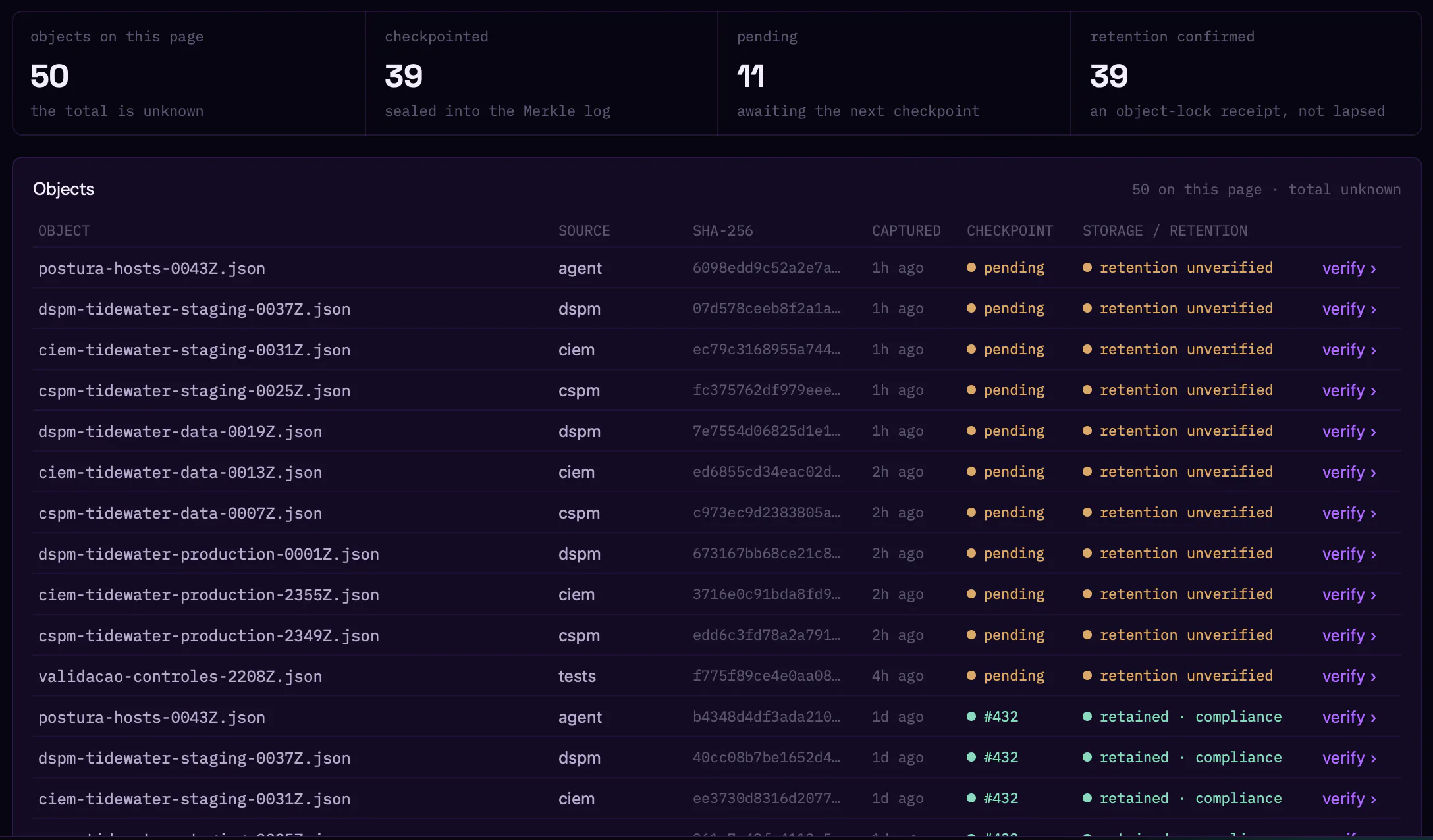
A record you can replay.
- Every execution recorded with the digests of its inputs and outputs
- Under regulatory review an unreconstructable state is a finding. Here it doesn't exist
- The DR test passes, and you can replay what the system did on Tuesday
BEFORE YOU START
Before you start
Is this a scheduler?
No. Routing is a feature. Accountability is the product: reproducible results, a context graph with history, and a record of every execution.
What is a kernel?
A WASM component with one export and zero imports, content-addressed, executed by a deterministic engine with metered limits. Nothing reaches the host that was not declared.
Where does the record live?
In your environment, signed and immutable, readable by your auditors.
What's next
Start with the 48-hour assessment or bring one workload. We agree the scope in the first conversation.